
"three branches"
3000 article(s) found

The finals of the 2017 China baristas skills Competition in East China have been officially launched.
Today (April 22), sponsored by the Coffee Bean Branch of China Fruit Circulation Association and the China Coffee Culture Communication Center, the final of the 2017 China baristas skills Competition, sponsored by Suzhou Coffee and Western Food Industry Chamber of Commerce, was officially launched in Tongli, Wujiang. More than 130 contestants, judges, media and guests from East China witnessed this moment together. The Ministry of Commerce promotes the circulation industry.
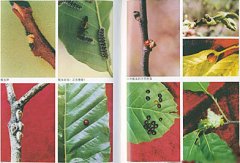
Common Coffee Diseases and pests in Coffee cultivation and Control methods
It is distributed in all coffee producing areas in the world, and it also occurs in Yunnan, Guangxi and Hainan Island in China. It is one of the major pests of coffee. Coffee longicorn beetles, which damage the coffee trunk by larvae for more than 2 years, initially eat between the cambium and xylem, and then eat (1) pest control. 1. Coffee tiger longicorn beetles are distributed in all coffee producing areas in the world. Yunnan, Guangxi and Hainan, China

Introduction to the planting Environment of Colombian Coffee grown in the Highland introduction to the production area of Fine Coffee Bean Coffee Manor
The main varieties of Colombian coffee are small grains of coffee. Plants are small trees or large shrubs, 5-8 m tall, usually much branched at base; old branches gray-white, nodes dilated, young branches glabrous, compressed. Leaves thinly leathery, ovate-lanceolate or lanceolate, 6-14 cm long and 3.5-5 cm wide, tip long acuminate, acuminate part 10-15 mm long, base cuneate or slightly obtuse, rarely rounded, entire or
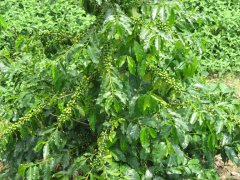
What are the conditions for growing coffee? What are the cultivation methods of coffee trees? When to fertilize?
Professional coffee knowledge exchange more information about coffee beans Please follow the coffee workshop (Wechat official account cafe_style) what are the fruits and seeds of coffee? The appearance of coffee beans the coffee tree should not need special care, but the sunshine should be sufficient and there should be no lack of water. 1. The basic cultivation environment and management of coffee climate and native coffee are mainly limited by temperature.

How long does it take for coffee to blossom to bear fruit?
When does the coffee tree blossom and bear fruit? At the end of January 2014, with the recovery of international coffee futures prices, Yunnan coffee prices also rose rapidly. This past February, international coffee prices rose the most in 20 years, from 114 cents per pound on January 28 to 180 cents per pound on February 28. There are probably three reasons for the rapid rise in coffee prices: first,

Grinding scale of Colombian coffee beans introduction to the taste of manor with variety treatment method
The main varieties of Colombian coffee are small grains of coffee. Plants are small trees or large shrubs, 5-8 m tall, usually much branched at base; old branches gray-white, nodes dilated, young branches glabrous, compressed. Leaves thinly leathery, ovate-lanceolate or lanceolate, 6-14 cm long and 3.5-5 cm wide, tip long acuminate, acuminate part 10-15 mm long, base cuneate or slightly obtuse, rarely rounded, entire or

Introduction to the regional treatment method for the flavor description of Colombian Ramon coffee beans and the characteristics of varieties
Colombian Ramon Coffee Bean Flavor description characteristics of Colombian Coffee varieties the main varieties of Colombian coffee are small-grain coffee. Plants are small trees or large shrubs, 5-8 m tall, usually much branched at base; old branches gray-white, nodes dilated, young branches glabrous, compressed. Leaves thinly leathery, ovate-lanceolate or lanceolate, 6-14 cm long, 3.5-5 cm wide, tip long acuminate

Planting Environment of Coffee species in Colombia
Species Morphology Editing Colombian Coffee Plant Morphology Colombian Coffee Plant Morphology (10 pieces) Colombian coffee is mainly small grain coffee. Plants are small trees or large shrubs, 5-8 m tall, usually much branched at base; old branches gray-white, nodes dilated, young branches glabrous, compressed. Leaves thinly leathery, ovate-lanceolate or lanceolate, 6-14 cm long, 3.5-5 cm wide, apex

Colombia Coffee Boutique Coffee Flavor Taste Producing Area Features Manor Introduction
Colombia coffee is the first coffee produced in Medellin, both in terms of yield and texture. It is characterized by full coffee beans, rich nutrition, moderate acidity, good balance, rich aroma and soft and smooth taste. Apart from Medellin, Armenia and Manizales, the capital cities of two neighboring provinces in the south, are also famous coffee producing areas.

Colombia Coffee Region Flavor Taste Introduction Lazmus Manor
Colombia coffee varieties are mainly small coffee. Plants are small trees or large shrubs, 5-8 meters high, usually multi-branched at the base; old branches are gray, nodes expand, young branches glabrous, compressed. Leaves thinly leathery, ovate-lanceolate or lanceolate, 6-14 cm long, 3. 5 -5 cm wide, apex long acuminate, acuminate part 10-15 mm long, base cuneate or slightly obtuse, rarely rounded, entire or rounded

Description of flavor of EXCELSO washed coffee beans in Vera plateau, Colombia, origin of grinding scale
Description of the flavor of EXCELSO-grade washed coffee beans on the Vera Plateau of Colombia Monsalot is located in the southwest of the Colombian province of Ulla, and most of its farmers grow so small that they regard coffee as a staple agricultural product in exchange for cash. A few years ago, the local New Millennium Peasants' Association (Grupo Asociativo Productores del Nue) was established.

Colombian Coffee Flavor Manor introduction to Lazmus Manor
The main varieties of Colombian coffee are small grains of coffee. Plants are small trees or large shrubs, 5-8 m tall, usually much branched at base; old branches gray-white, nodes dilated, young branches glabrous, compressed. Leaves thinly leathery, ovate-lanceolate or lanceolate, 6-14 cm long and 3.5-5 cm wide, tip long acuminate, acuminate part 10-15 mm long, base cuneate or slightly obtuse, rarely rounded, entire or

A brief introduction to the Market Price of Colombian Fine Coffee Bean varieties with Sweet Caramel
The main varieties of Colombian coffee are small grains of coffee. Plants are small trees or large shrubs, 5-8 m tall, usually much branched at base; old branches gray-white, nodes dilated, young branches glabrous, compressed. Leaves thinly leathery, ovate-lanceolate or lanceolate, 6-14 cm long and 3.5-5 cm wide, tip long acuminate, acuminate part 10-15 mm long, base cuneate or slightly obtuse, rarely rounded, entire or

A brief introduction to the planting Market Price of Colombian Fine Coffee Bean varieties with smooth taste
The main varieties of Colombian coffee are small grains of coffee. Plants are small trees or large shrubs, 5-8 m tall, usually much branched at base; old branches gray-white, nodes dilated, young branches glabrous, compressed. Leaves thinly leathery, ovate-lanceolate or lanceolate, 6-14 cm long and 3.5-5 cm wide, tip long acuminate, acuminate part 10-15 mm long, base cuneate or slightly obtuse, rarely rounded, entire or

Which branches of Blue Bottle Blue bottle Coffee in Japan? What are the design features of each store?
Professional coffee knowledge exchange more coffee bean information please follow the coffee workshop (Wechat official account cafe_style) which branches of Blue Bottle Blue bottle Coffee in Japan? What are the design features of each store? Blue Bottle is known as the Apple of the coffee industry and is popular in the United States. The fashion impression of classic blue bottle and white buildings is also very popular in Japan! Blue

Colombian Coffee growing Environment Flavor and Taste introduce Fine Coffee
The main varieties of Colombian coffee are small grains of coffee. Plants are small trees or large shrubs, 5-8 m tall, usually much branched at base; old branches gray-white, nodes dilated, young branches glabrous, compressed. Leaves thinly leathery, ovate-lanceolate or lanceolate, 6-14 cm long and 3.5-5 cm wide, tip long acuminate, acuminate part 10-15 mm long, base cuneate or slightly obtuse, rarely rounded, entire or

Columbia Hope Manor Coffee Grinding characteristics Variety Flavor description Taste introduction
The main varieties of Colombian coffee are small grains of coffee. Plants are small trees or large shrubs, 5-8 m tall, usually much branched at base; old branches gray-white, nodes dilated, young branches glabrous, compressed. Leaves thinly leathery, ovate-lanceolate or lanceolate, 6-14 cm long and 3.5-5 cm wide, tip long acuminate, acuminate part 10-15 mm long, base cuneate or slightly obtuse, rarely rounded, entire or

The taste of Colombian coffee introduces the characteristics of Colombian boutique.
The main varieties of Colombian coffee are small grains of coffee. Plants are small trees or large shrubs, 5-8 m tall, usually much branched at base; old branches gray-white, nodes dilated, young branches glabrous, compressed. Leaves thinly leathery, ovate-lanceolate or lanceolate, 6-14 cm long and 3.5-5 cm wide, tip long acuminate, acuminate part 10-15 mm long, base cuneate or slightly obtuse, rarely rounded, entire or

Columbia Coffee Manor with Sweet Flavor characteristics of Fine Coffee beans
The main varieties of Colombian coffee are small grains of coffee. Plants are small trees or large shrubs, 5-8 m tall, usually much branched at base; old branches gray-white, nodes dilated, young branches glabrous, compressed. Leaves thinly leathery, ovate-lanceolate or lanceolate, 6-14 cm long and 3.5-5 cm wide, tip long acuminate, acuminate part 10-15 mm long, base cuneate or slightly obtuse, rarely rounded, entire or